June 25, 2026
Maintaining optimal oral health is an essential aspect of overall well-being, requiring consistent attention. While many individuals practice daily brushing and flossing, tooth decay remains a prevalent issue that can silently compromise the foundation of a healthy smile. When decay goes unaddressed, it progresses from a minor enamel defect into a serious condition capable of causing significant discomfort and long-term damage. A trusted local dentist frequently encounters patients who delay seeking care because early-stage decay presents with subtle symptoms that are easily ignored. Understanding the nature of this decay and why swift intervention is crucial can empower you to make proactive decisions regarding your dental health. Neglected decay not only jeopardizes the structural integrity of your teeth but also poses broader risks to your physical health. According to Forbes, one-quarter of U.S. adults ages 20 to 64 have at least one untreated cavity. This staggering statistic highlights the urgent need for heightened awareness and consistent professional care. Addressing decay early is the most effective way to preserve your natural teeth and prevent the need for extensive restorative procedures down the road. By learning about the progression of decay and the severe consequences of inaction, you can protect your smile.
Understanding How Tooth Decay Develops
A cavity begins long before any pain or visible damage becomes apparent. It starts with the accumulation of plaque, a sticky film of bacteria that constantly forms over the teeth throughout the day. When you consume sugary or starchy foods, these bacteria feed on the residue, producing harmful acids. These acids continually attack the hard outer layer of the tooth, known as enamel, stripping away vital minerals in a process called demineralization. Over time, repeated acid attacks weaken the enamel, causing it to break down and form tiny pores or holes. If this process is not interrupted by proper oral hygiene or professional intervention from a local dentist, the decay will continue to advance deeper into the tooth structure. Beneath the enamel lies the dentin, a softer and much more sensitive layer. Once the decay breaches the dentin, the rate of deterioration accelerates significantly, and the tooth becomes highly vulnerable. The final destination for advancing decay is the inner pulp chamber, which houses the nerves and blood supply vital for keeping the tooth vital and healthy. Allowing the decay to progress unchecked through these protective layers guarantees that what started as a superficial issue will transform into a profound dental emergency requiring complex care.
Recognizing the Hidden Symptoms Early
Because early-stage tooth decay is notoriously asymptomatic, relying solely on pain as an indicator is a flawed strategy. During the initial demineralization phase, you might not notice any discomfort whatsoever. However, visual cues can sometimes provide an early warning. You might observe chalky white spots on the surface of a tooth, which indicate areas where minerals have been depleted. As the decay progresses and begins to compromise the dentin layer, new symptoms will typically emerge. A common sign is increased sensitivity to hot, cold, or sugary foods and beverages. What might feel like a fleeting twinge of discomfort while drinking a cold beverage could actually be the nerve signaling that its protective layers are failing. Additionally, you may notice persistent bad breath or an unpleasant taste in your mouth, which can result from the bacterial activity associated with active decay. Visible pits or dark stains on the biting surfaces of the teeth are also clear indicators that decay has taken hold. Because these symptoms can mimic other dental issues, having a skilled local dentist properly diagnose the source of the problem is essential. Prompt recognition and diagnosis are the keys to stopping the decay before it inflicts irreversible damage to the sensitive inner tissues of the tooth.
Experiencing Pain and Structural Damage
Ignoring the subtle warning signs of decay inevitably leads to severe consequences, chief among them being intense pain. Once the bacterial infection breaches the protective layers and reaches the sensitive dental pulp, the resulting inflammation creates significant pressure within the tooth. This pressure translates into a constant, throbbing toothache that can disrupt your sleep, impair your ability to concentrate, and make eating nearly impossible. Pain relievers may offer temporary respite, but they cannot cure the underlying infection. Alongside the excruciating pain, the structural integrity of the tooth is severely compromised. As decay hollows out the tooth, the remaining enamel and dentin become fragile and prone to fracturing. Even normal biting forces can cause a weakened tooth to crack or shatter, transforming a routine meal into an emergency situation. A fractured tooth is vastly more difficult to restore, and if the damage extends beneath the gumline, extraction might become the only viable option. Your local dentist wants patients to understand that preserving the natural tooth structure is always the preferred outcome. By the time decay causes a tooth to fracture or necessitates an extraction, the opportunity for simple, conservative treatments like standard fillings has long passed.
Facing Systemic Health Complications
The impact of unaddressed tooth decay extends beyond the mouth, potentially posing serious risks to your systemic health. When the infection within the pulp is left untreated, it can spread down through the root canals and into the surrounding bone and tissue. This infection can rapidly develop into an abscess, a painful pocket of pus forming at the base of the tooth root. An abscess is a serious medical issue that can cause severe swelling in the jaw, face, and neck, sometimes accompanied by a fever. More alarmingly, the bacteria responsible for the infection can enter the bloodstream, traveling to other parts of the body and exacerbating existing medical conditions. Research has continually demonstrated a strong connection between severe oral infections and systemic issues, including cardiovascular complications and challenges in managing blood sugar levels. A localized infection in the mouth essentially places a continuous burden on your immune system, making it harder for your body to fight off other illnesses. By visiting a local dentist to manage decay early, you are not merely protecting your smile; you are actively defending your body against the spread of harmful bacteria and preserving your overall systemic wellness.
Prioritizing Professional Preventative Care
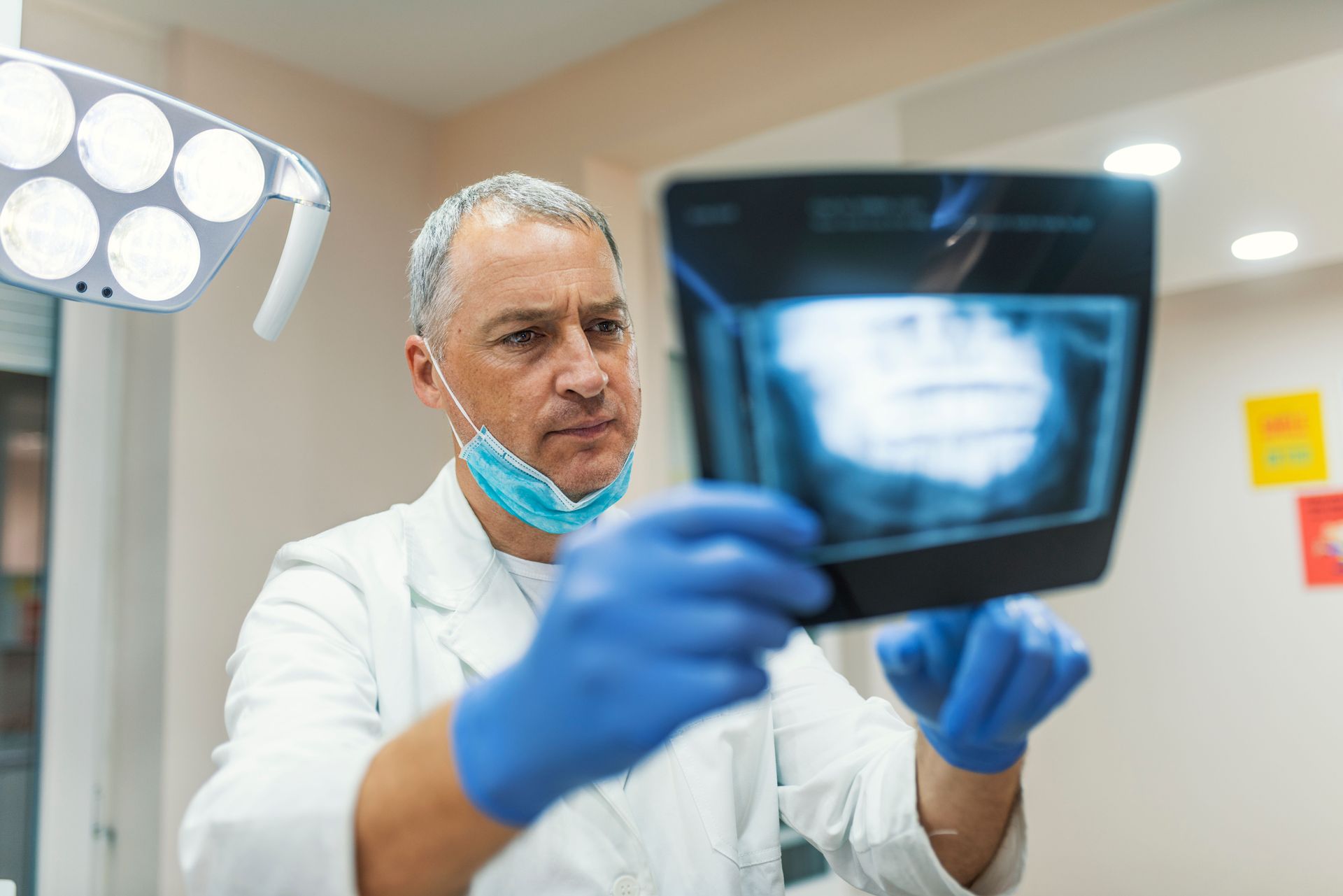
The most reliable defense against tooth decay is a steadfast commitment to professional preventative care. While maintaining a rigorous routine of brushing and flossing at home is the foundation of oral hygiene, it is simply not enough to completely eradicate plaque from every hard-to-reach crevice in your mouth. Regular dental cleanings are necessary to remove hardened tartar that brushing alone cannot eliminate. During these routine visits, a professional can also conduct a comprehensive examination using advanced diagnostic tools, such as digital radiography. These imaging techniques allow practitioners to identify areas of demineralization or hidden cavities lurking between the teeth long before they become visible. The earlier decay is detected, the simpler and more affordable the intervention will be. Early treatments might involve fluoride applications to remineralize the enamel or small fillings that preserve the vast majority of the natural tooth structure. Establishing an ongoing relationship with a dedicated local dentist ensures that your oral health is continually monitored. This proactive approach prevents minor issues from escalating into major emergencies, saving you from unnecessary pain, extensive structural damage, and costly restorative procedures while keeping your smile vibrant and healthy.
Protecting your smile from the silent threat of decay requires vigilance and timely professional intervention. Ignoring the early signs of dental trouble only allows the problem to deepen, transforming easily treatable issues into complex situations that threaten both your oral and systemic health. Taking action at the first hint of sensitivity or committing to routine checkups can make all the difference in preserving your natural teeth. Do not wait for unbearable pain or structural failure to dictate your need for care. Reaching out to a knowledgeable local dentist is the best way to secure an accurate diagnosis and a customized treatment plan tailored to your specific needs. Your oral health is deeply connected to your overall vitality, and safeguarding it should be a top priority. Call Jay I. Swanson, D.D.S, M.D., F.A.C.S. today to learn more and schedule your comprehensive evaluation.