June 12, 2026
Wisdom teeth removal is a common dental procedure, but it can still feel intimidating if you are preparing for it for the first time. These third molars often develop during the late teen years or early adulthood, and they may not always have enough room to emerge properly. When wisdom teeth become impacted, crowded, painful, or difficult to clean, removal may be recommended to protect your long-term oral health.
According to the American Dental Association, the majority of people develop their wisdom teeth between the ages of 17 and 21. Because this stage of life is already busy with school, work, family responsibilities, and major transitions, planning ahead can make the experience easier. By knowing what to expect before, during, and after the procedure, patients can feel more confident and prepared. Guidance from a local dental office can also help reduce stress and ensure that every step is handled safely and comfortably.
Understanding the Reason for Removal
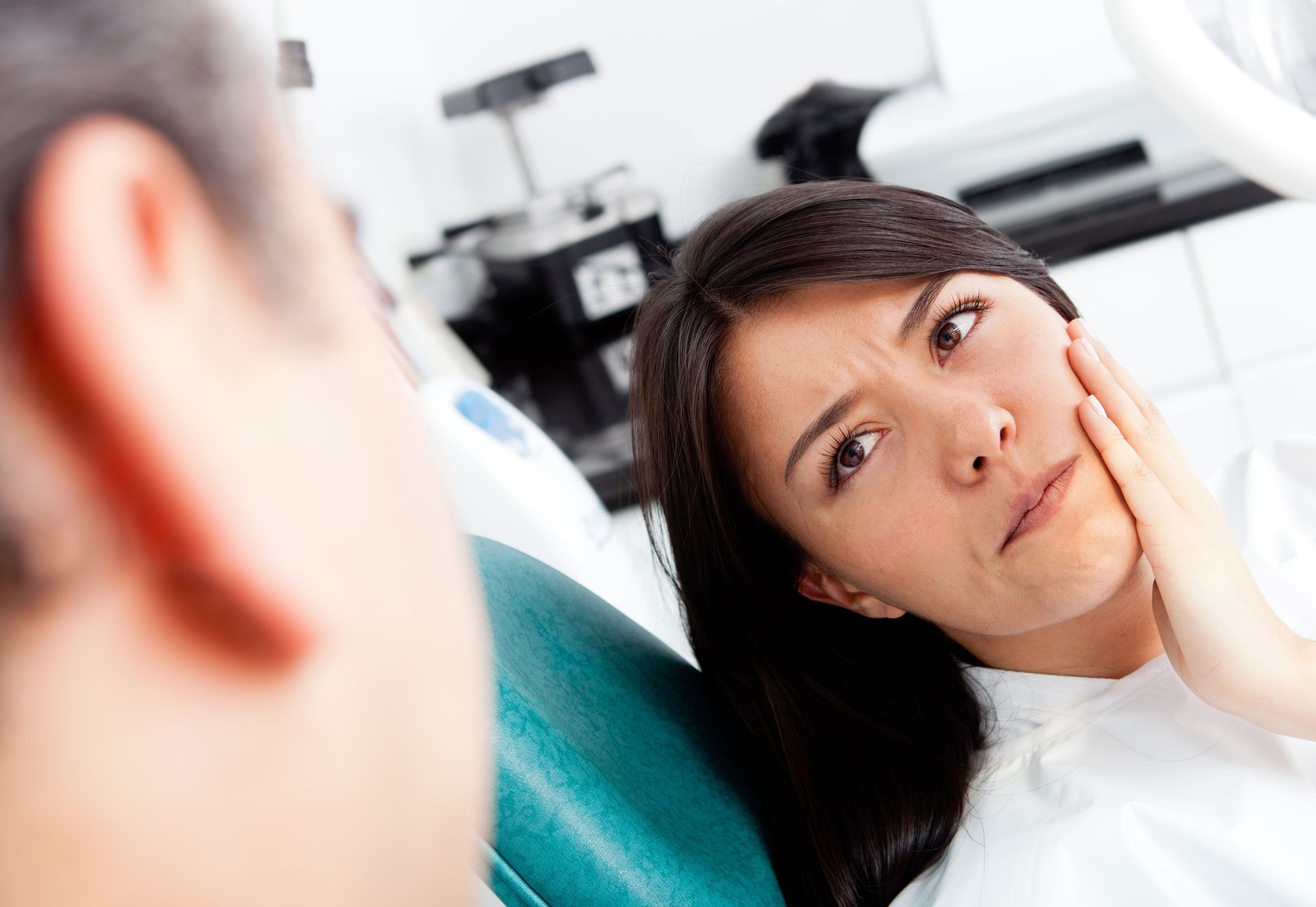
The first step in preparing for wisdom teeth removal is understanding why the procedure may be necessary. Some wisdom teeth come in normally and do not cause problems. Others become impacted, meaning they remain trapped under the gums or only partially emerge. Impacted wisdom teeth can contribute to pain, swelling, infection, cyst formation, gum irritation, and pressure on nearby teeth.
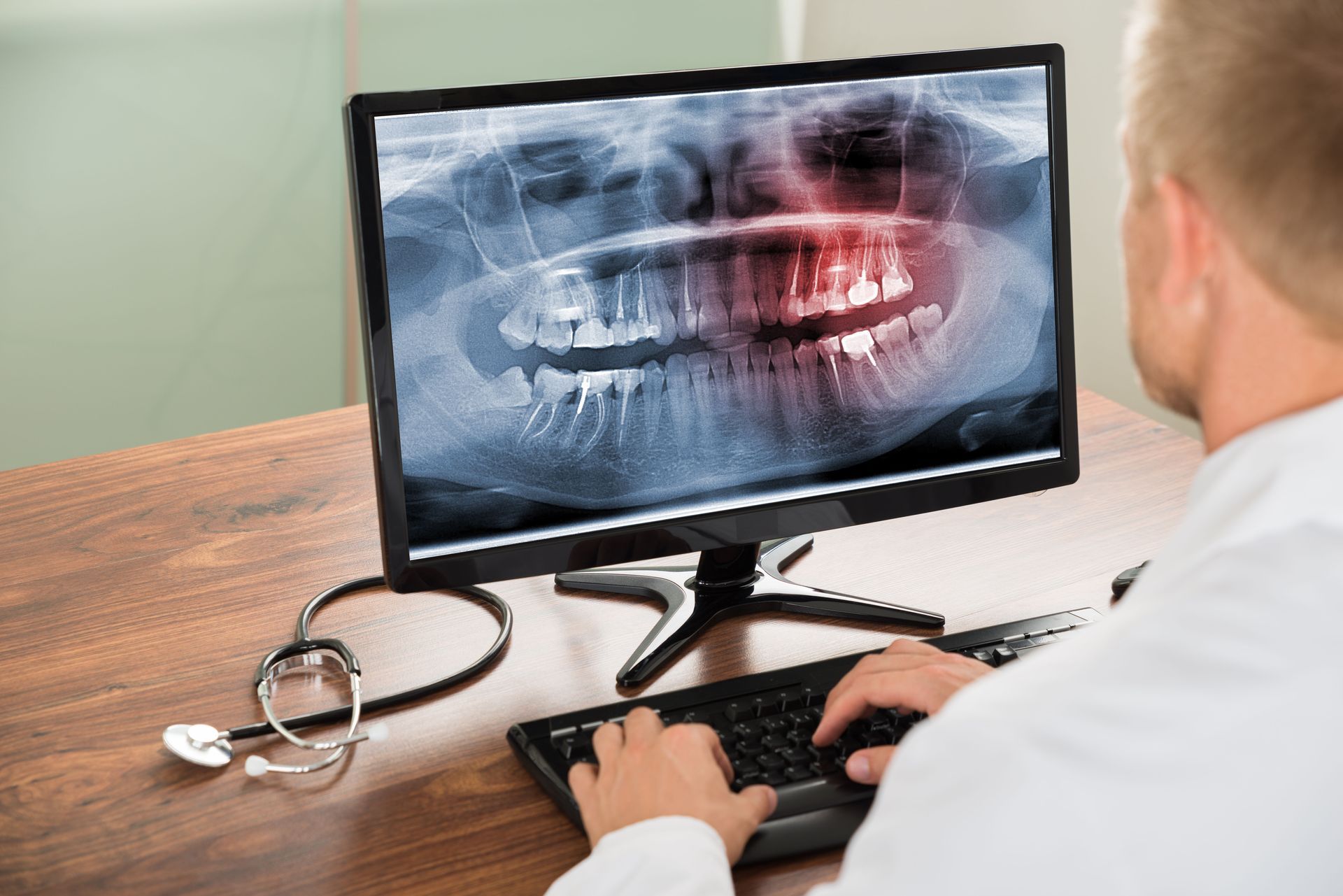
A dentist or oral surgeon will usually evaluate the position of the teeth with an exam and dental imaging. This helps determine whether removal is recommended and how complex the procedure may be. A local dental office can explain your specific situation, answer questions, and help you understand whether the goal is to treat current symptoms or prevent future complications.
Early evaluation can also help identify potential concerns before they become more serious. In many cases, addressing wisdom teeth problems proactively may reduce the risk of damage to neighboring teeth, recurring infections, and other oral health complications that could require more extensive treatment later.
Reviewing the Treatment Plan
Before the procedure, patients should have a clear understanding of the treatment plan. This may include which wisdom teeth will be removed, what type of anesthesia or sedation may be used, how long the appointment may take, and what recovery may involve. Knowing these details ahead of time can make the process feel more manageable.
Patients should also use this appointment to share important medical information. This includes allergies, medications, supplements, health conditions, previous reactions to anesthesia, and any concerns about anxiety or discomfort. A local dental office can use this information to plan appropriately and provide instructions that match the patient’s needs.
Preparing for the Appointment
Preparation often begins before the day of surgery. Depending on the type of anesthesia or sedation being used, patients may be asked to avoid eating or drinking for a specific period before the appointment. They may also need to adjust certain medications only if instructed by their dental or medical provider. Following these directions carefully helps support a safer procedure.
Patients should arrange transportation if sedation or anesthesia will affect their ability to drive. It is also wise to wear comfortable clothing, avoid jewelry, and arrive with any required paperwork completed. Preparing in advance helps reduce last-minute stress and allows the appointment to run more smoothly.
Planning for Recovery at Home
A comfortable recovery space can make the first few days after wisdom teeth removal much easier. Before the procedure, patients should set up a resting area with pillows, water, tissues, entertainment, and any approved supplies. Having everything nearby reduces the need to move around too much immediately after returning home.
It is also helpful to stock up on soft foods before surgery. Options such as applesauce, yogurt, smoothies without straws, mashed potatoes, scrambled eggs, soup that is not too hot, and soft pasta can be easier to eat during early recovery. A local dental office may provide a list of recommended foods and instructions on when to return to a normal diet.
Following Aftercare Instructions
Aftercare instructions are essential for proper healing. Patients are usually advised to rest, use gauze as directed, avoid strenuous activity, and follow medication instructions carefully. Swelling, mild bleeding, and discomfort are common during the first stage of recovery, but these symptoms should gradually improve.
One of the most important parts of aftercare is protecting the blood clot that forms in each extraction site. Patients are often told to avoid straws, smoking, vigorous rinsing, and forceful spitting because these actions can disturb healing. Following instructions from a local dental office can help lower the risk of complications and support a smoother recovery.
Managing Discomfort Safely
Some soreness is expected after wisdom teeth removal, especially if the teeth were impacted or the procedure was more involved. Pain management may include prescribed medication, over-the-counter options, cold compresses, and rest. Patients should take medication only as directed and should not combine medications unless advised by a professional.
Cold compresses may help reduce swelling during the first day after surgery. Keeping the head elevated and avoiding unnecessary activity can also support comfort. If pain becomes severe, worsens after initially improving, or is accompanied by fever, bad taste, or unusual swelling, patients should contact the dental office promptly.
Watching for Healing Concerns
Most patients recover without major problems, but it is important to know which symptoms deserve attention. Some bleeding, swelling, and tenderness are normal early on. However, heavy bleeding, persistent fever, worsening pain, difficulty breathing or swallowing, or signs of infection should be reported right away.
Dry socket is another possible complication that can occur if the protective clot becomes dislodged too soon. This may cause significant pain and delayed healing. A local dental office can evaluate symptoms, provide treatment if needed, and help patients understand whether their recovery is progressing normally.
Returning to Normal Habits
Recovery timelines vary depending on the number of teeth removed, the position of the teeth, and the patient’s overall health. Many people return to school, work, or light activities within a few days, but more strenuous exercise may need to wait longer. Patients should follow their provider’s guidance rather than rushing back too quickly.
Oral hygiene is also important during recovery. Patients may be advised to brush carefully while avoiding the surgical sites at first. Gentle rinsing may be recommended after the initial healing period begins. By returning to normal habits gradually, patients can protect the extraction areas and support complete healing.
Asking Questions Early
Patients should never hesitate to ask questions before wisdom teeth removal. Common concerns may include anesthesia options, pain expectations, recovery time, eating restrictions, missed work or school, and signs of complications. Asking these questions early helps patients feel informed rather than uncertain.
Clear communication also helps reduce anxiety. When patients understand the reason for the procedure, the steps involved, and the recovery expectations, they are often more comfortable moving forward. A local dental office can provide practical guidance and personalized support throughout the entire process.
Preparing for wisdom teeth removal is about more than showing up for an appointment. It involves understanding why removal may be needed, reviewing the treatment plan, preparing for the day of surgery, setting up a recovery space, following aftercare instructions, managing discomfort, watching for concerns, and asking questions along the way. With the right preparation and professional support, patients can approach the procedure with greater confidence and peace of mind. For expert guidance and personalized wisdom teeth care, contact Jay I. Swanson, D.D.S, M.D., F.A.C.S.