November 6, 2026
In modern clinical dentistry, emergency tooth extractions represent critical therapeutic interventions designed to eliminate unbearable physical suffering, arrest active oral infection, and safeguard systemic wellness. While preservation of natural dental structures remains a primary objective, severe structural damage, advanced decay, and acute periodontal abscesses frequently necessitate immediate surgical removal. Untreated oral emergencies can rapidly escalate into severe infection, systemic toxicity, and permanent structural bone loss. Seeking timely professional intervention mitigates severe health risks, provides instant pain relief, and prevents catastrophic oral complications.
Understanding the urgency of acute oral pain is crucial for protecting long-term systemic health and personal well-being. According to the Centers for Disease Control and Prevention, over $45 billion in U.S. productivity is lost each year due to untreated dental disease. Ignoring severe oral distress allows localized bacterial infections to enter the vascular system, triggering wider inflammatory responses and increasing healthcare costs. Emergency tooth extractions resolve acute localized crises, restoring oral stability and shielding patients from debilitating, chronic medical conditions.
Recognizing Urgent Oral Conditions
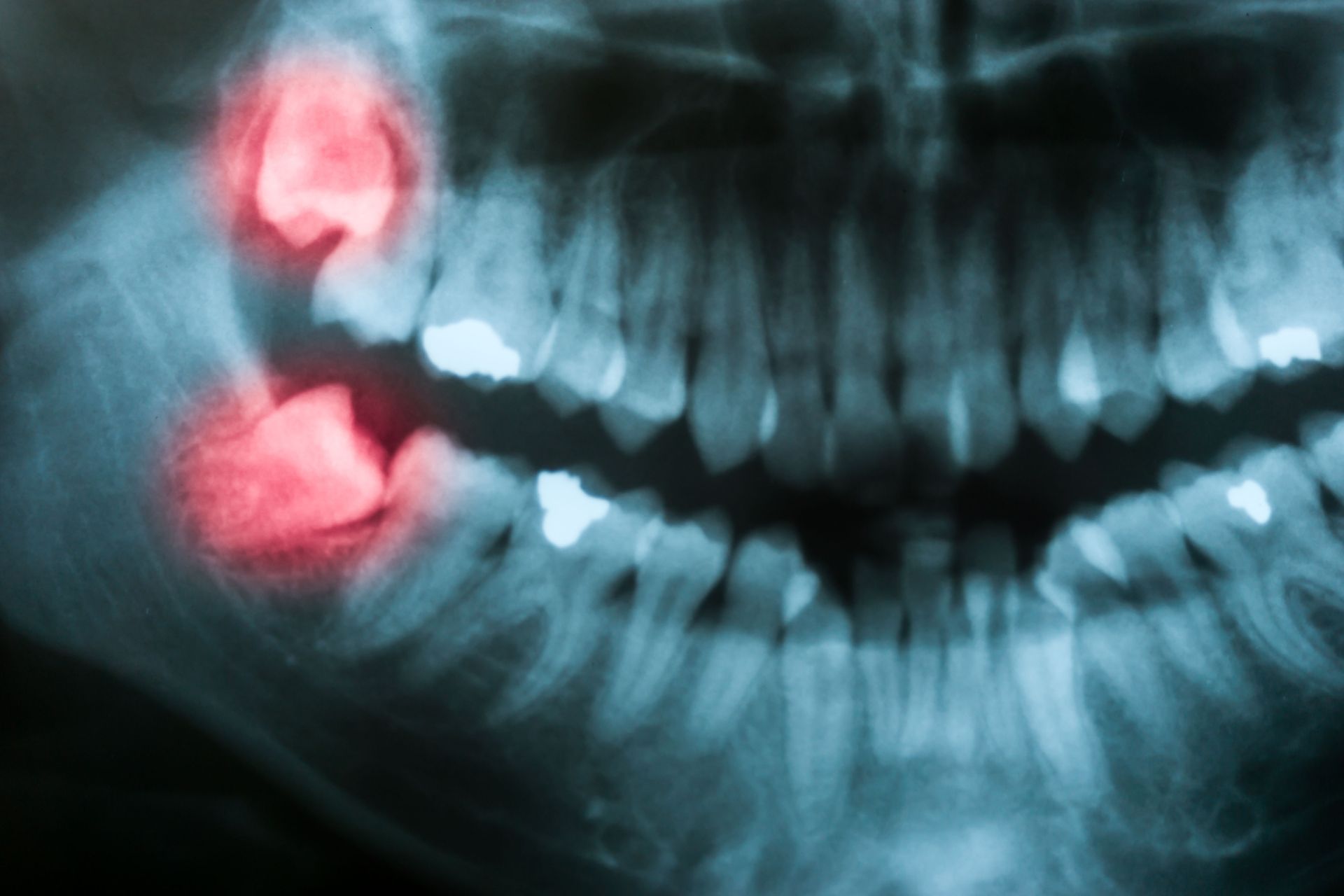
Identifying what constitutes a true clinical crisis enables patients to seek emergency care before localized issues turn life-threatening. Dental emergencies involve severe oral distress requiring immediate clinical evaluation to relieve extreme pain, control hemorrhaging, or halt spreading bacterial infections. Severe tooth decay, deep structural fractures, and advanced periodontal disease often compromise internal pulp tissues beyond repair. When a tooth becomes non-restorable, prompt emergency tooth extractions serve as the safest route to prevent bacterial spread across adjacent tissues and underlying jawbone.
Recognizing specific clinical symptoms allows individuals to make timely decisions regarding their oral health care. Persistent, throbbing tooth pain that resists over-the-counter analgesics typically signals acute pulpal inflammation or irreversible nerve death. Accompanying physical signs—such as localized facial swelling, bleeding gums, elevated temperature, and foul-tasting purulent discharge—indicate active bacterial spread requiring immediate clinical intervention. Proactively addressing these severe warning signs ensures rapid pain management, minimizes structural tissue loss, and protects overall physiological health.
Evaluating Risks of Delayed Care
Postponing necessary surgical intervention introduces severe biological risks that reach far beyond the oral cavity. When infected dental pulp remains untreated, pathogenic bacteria migrate through the root apex into adjacent alveolar bone and facial spaces. This dangerous progression can trigger severe facial cellulitis, deep space abscesses, or systemic sepsis—a life-threatening medical crisis requiring emergency hospitalization. Furthermore, chronic inflammation surrounding compromised roots leads to rapid degradation of supporting jawbone, complicating future restorative options like dental implants.
Beyond biological hazards, delaying emergency tooth extractions incurs heavy financial and personal burdens. Persistent, unmanaged dental pain disrupts sleep patterns, impairs dietary intake, and degrades overall quality of life, leading to significant missed work time. What begins as a straightforward extraction can rapidly evolve into a complex hospital admission requiring intravenous antibiotics and surgical drainage. Seeking prompt emergency care eliminates active infection, minimizes overall treatment costs, and ensures a faster, uncomplicated recovery.
Executing Surgical Removal Techniques
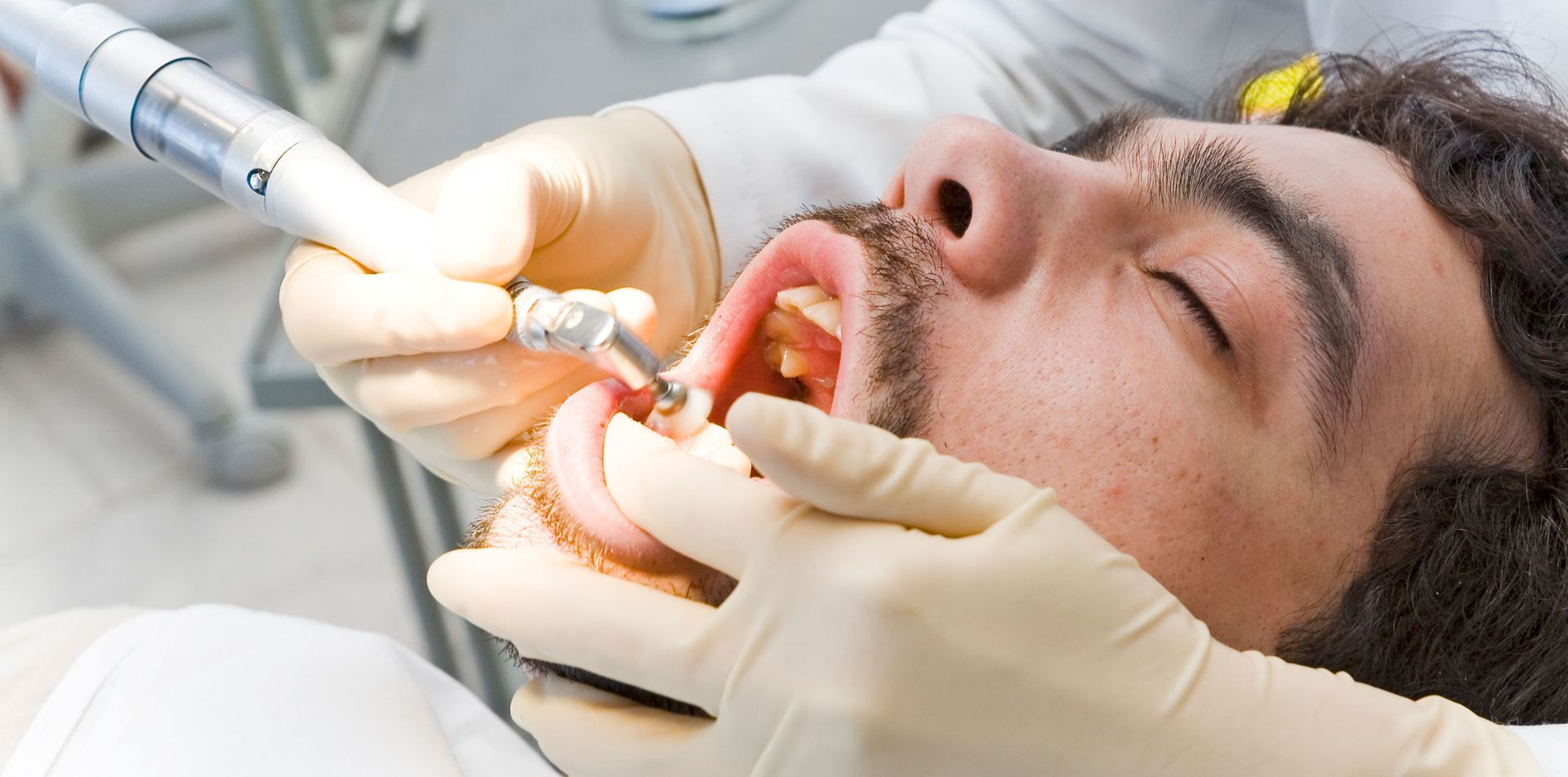
Executing emergency tooth extractions requires high clinical precision, gentle tissue handling, and specialized surgical instrumentation. Once complete local anesthesia is confirmed, the clinician carefully luxates the compromised tooth using dedicated elevators to expand the surrounding bony socket. For complex multi-rooted molars or severely fractured teeth, the practitioner may precisely section the crown into smaller fragments to facilitate gentle, atraumatic removal. This delicate technique preserves adjacent alveolar bone structures, minimizes soft tissue trauma, and lays the groundwork for seamless postoperative healing.
Following complete removal of the compromised tooth structure, the clinician thoroughly debrides the socket to remove infected granulation tissue and debris. The surgical site is flushed with sterile saline, and localized hemostatic agents are applied to encourage rapid blood clot formation. When necessary, small resorbable sutures are placed to stabilize surrounding gum tissues and protect the surgical site. The patient is provided with sterile gauze pads to compress the site, initiating the vital first stage of biological healing.
Implementing Immediate At-Home Relief
Immediate postoperative comfort relies on structured at-home self-care strategies alongside professional instructions. Applying external cold compresses to the cheek adjacent to the surgical site constricts local blood vessels, reducing post-operative swelling and numbing deep tissue discomfort. Patients should apply ice packs in twenty-minute intervals during the first twenty-four hours to achieve optimal anti-inflammatory benefits. Keeping the head elevated on extra pillows while resting further mitigates localized blood pressure and minimizes surgical swelling.
Pharmacological pain management plays a vital role in keeping patients comfortable as local anesthesia wears off. Non-steroidal anti-inflammatory drugs (NSAIDs), such as ibuprofen, effectively target localized swelling and ease surgical discomfort. When paired with acetaminophen under professional guidance, these over-the-counter medications provide robust, high-level pain control without requiring prescription opioids. Following dosage schedules precisely during the first forty-eight hours prevents pain spikes and supports a restful, comfortable recovery.
Utilizing Complementary Healing Remedies
Complementary home remedies can gently support traditional postoperative care once the initial critical healing period passes. Starting twenty-four hours after surgery, gentle warm saltwater rinses aid in keeping the extraction site clean while soothing sensitive oral mucosa. Saltwater acts as a natural mild isotonic disinfectant, reducing oral bacterial loads without irritating healing tissues. Patients should allow the solution to bathe the site gently before leaning over a sink to let it spill out naturally, avoiding forceful spitting.
Nutritional modifications are equally crucial for protecting the surgical site and supplying essential nutrient building blocks for tissue repair. Patients should consume a soft-food diet consisting of lukewarm soups, smooth yogurt, mashed potatoes, and protein shakes during early recovery. Hot, spicy, acidic, or crunchy foods must be strictly avoided as they can irritate delicate healing tissues or lodge in the extraction socket. Prioritizing proper hydration and nutrient-dense soft foods accelerates cellular regeneration and promotes efficient wound closure.
Exploring Preservation Alternatives
Before performing emergency tooth extractions, clinical practitioners thoroughly evaluate non-surgical alternatives aimed at saving the natural tooth structure. Endodontic therapy, commonly known as a root canal, serves as the primary alternative when deep pulpal infection exists but supporting root structures remain stable. During a root canal procedure, the clinician removes infected pulpal tissue, cleans and disinfects internal root canals, and seals the space with biocompatible filling materials. Preserving the natural root maintains jawbone density and preserves natural bite alignment.
When severe structural damage renders endodontic preservation impossible, emergency extractions become the necessary path to health. Following surgical removal, clinicians discuss modern restorative options—such as dental implants, fixed bridges, or removable partial dentures—to restore functional chewing capacity and cosmetic harmony. Planning future tooth replacement early prevents adjacent teeth from drifting and preserves long-term facial aesthetics. Combining timely emergency removal with modern restorative planning ensures optimal, lifelong oral health outcomes.
Navigating an oral crisis requires swift clinical action, accurate diagnostic evaluation, and compassionate care to eliminate acute pain and preserve long-term health. Understanding when emergency tooth extractions are necessary empowers patients to seek timely professional care, preventing severe systemic infections and avoiding costly long-term complications. By combining gentle surgical removal with structured at-home recovery protocols and modern restorative planning, patients can quickly transition from severe discomfort to total oral health and daily comfort. Taking proactive control of your oral health today protects your overall biological well-being and ensures a lifetime of confident, functional smiles. When you or a loved one face acute dental pain or require urgent oral surgery, rely on the specialized care and surgical expertise of Jay I. Swanson, D.D.S, M.D., F.A.C.S. to receive immediate relief and comprehensive treatment.