November 5, 2026
Severe tooth pain can make even ordinary activities difficult. When swelling, a broken tooth, or an injury appears without warning, the first question is often whether the tooth needs to come out immediately. The answer depends on more than how much discomfort someone feels. A dentist must identify the problem, assess the tooth's condition, and determine whether treatment can preserve it safely.
The importance of protecting natural teeth becomes clearer when considering the broader impact of tooth loss. According to the Academy of Implant Dentistry, more than 30 million Americans are missing all of their teeth in at least one jaw. That statistic reflects tooth loss across many circumstances, not necessarily dental emergencies. In an urgent situation, emergency tooth extractions are considered when keeping a tooth is not a predictable or appropriate option. Understanding how that decision is made can help patients know what to expect.
Recognize the Signs of a Dental Emergency
Dental emergencies may involve intense pain, persistent bleeding, facial swelling, or an injury that has fractured or loosened a tooth. Symptoms alone do not determine the treatment, but they help dental teams decide how quickly someone needs to be examined. A cracked tooth, for example, might be repairable, while a fracture extending far below the gumline could have a different outlook.
A patient who develops a painful swelling near a tooth should seek prompt dental evaluation, even if the discomfort temporarily improves. An abscess can indicate an infection requiring treatment. A knocked-out permanent tooth also needs immediate attention because there may be a limited opportunity to save it. A knocked-out baby tooth should not be replanted.
Certain symptoms call for emergency medical care rather than waiting for a dental appointment. Difficulty breathing or swallowing, rapidly spreading facial or neck swelling, or uncontrolled bleeding can signal a serious complication. Recognizing these distinctions helps patients obtain the right level of care without assuming that emergency tooth extractions are inevitable.
Examine the Tooth and Review Medical History
An urgent appointment generally begins with questions about the pain or injury: when it started, what makes it worse, and whether there has been swelling, fever, or a recent accident. The dentist then examines the affected tooth, surrounding gums, and nearby structures. Gentle testing may help reveal tenderness, abnormal movement, or sensitivity that points to the source of the problem.
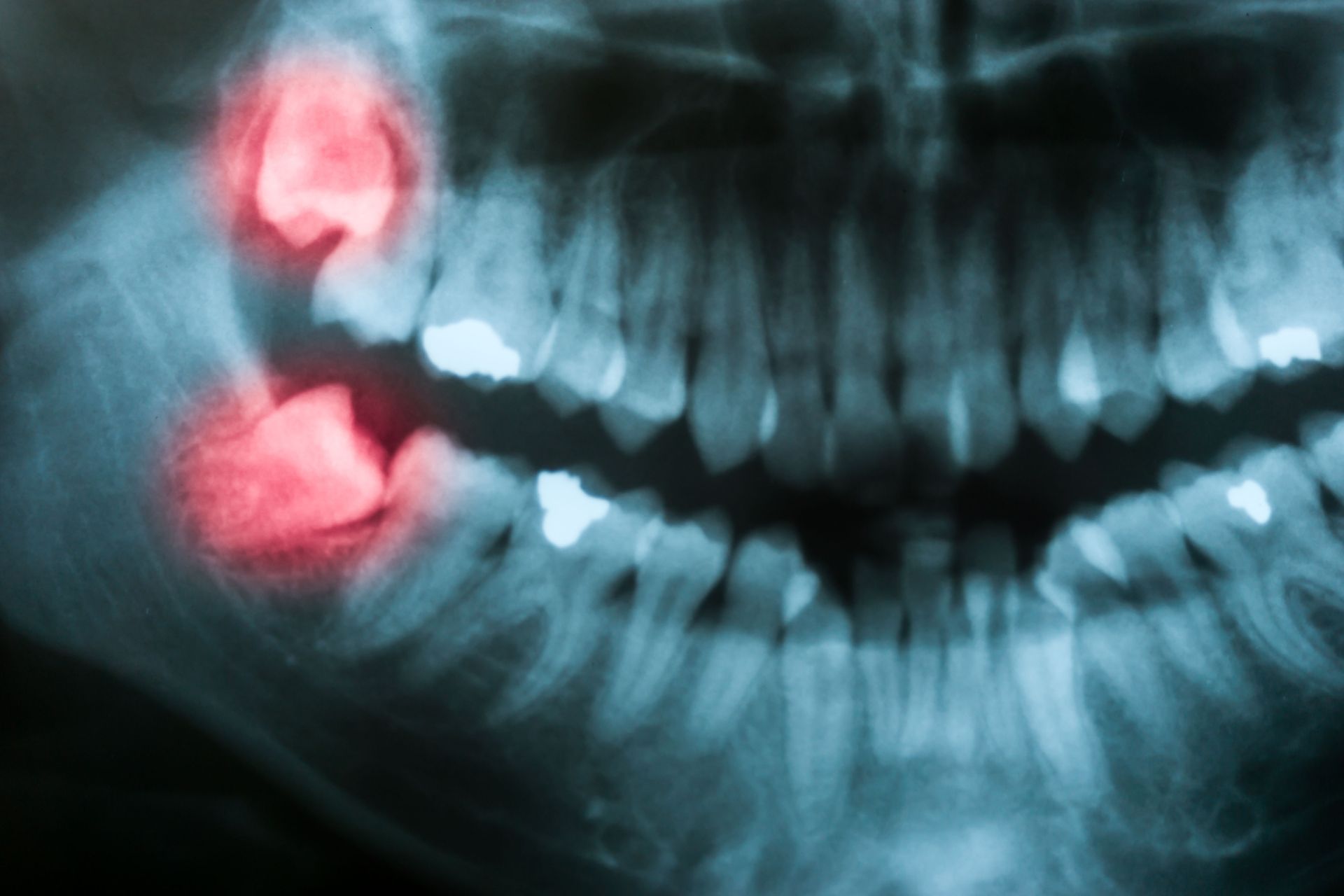
Dental X-rays, when appropriate, provide information that a visual examination cannot. They may show decay beneath a restoration, changes around the root, bone loss, or the position of a fracture. Imaging findings are interpreted alongside symptoms and clinical tests rather than used alone to make a treatment decision.
Medical history is equally important. Patients should tell the team about allergies, current medications, bleeding disorders, significant health conditions, and previous reactions to anesthesia. Certain medications, including blood thinners or drugs that affect bone healing, may influence treatment planning. A dentist can then determine whether care is appropriate in the office, whether emergency tooth extractions are suitable, or whether consultation with a physician or oral surgeon is needed.
Determine Whether the Tooth Can Be Saved
The central clinical question is whether the damaged tooth can be restored and remain useful over time. A deep cavity may cause severe pain but still leave enough healthy structure for root canal treatment and a crown. By contrast, extensive decay below the gumline, certain vertical root fractures, or advanced loss of supporting bone may make preservation impractical.
Infection also requires careful assessment. A dental abscess does not automatically mean a tooth must be removed. Depending on the cause and condition of the tooth, options may include drainage, root canal treatment, or extraction. Antibiotics are sometimes indicated, particularly when infection is spreading or accompanied by systemic symptoms, but they do not replace treatment of the source.
Dentists also consider whether a loose tooth can be stabilized, whether the gums and bone provide adequate support, and what future restoration would involve. These details explain why two patients with similar pain may receive different recommendations. This information helps distinguish emergency tooth extractions from treatments that offer a reasonable chance of preserving the tooth.
Compare Extraction With Other Treatment Options
Before recommending removal, the dentist evaluates alternatives suited to the diagnosis. A broken filling may be repaired, a damaged crown may be replaced, and a tooth with inflamed or infected pulp may be a candidate for root canal therapy. For certain injuries, repositioning and splinting a tooth may allow it to heal under close monitoring.
The decision also depends on timing. Some conditions need definitive treatment promptly, while others can be stabilized until a specialist evaluates the tooth. Extraction may be appropriate when a tooth cannot be predictably repaired, an infection requires removal of a nonrestorable tooth, or damage creates an ongoing risk that other treatment cannot reasonably address.
Cost, recovery, treatment complexity, and patient preferences can all be discussed, but they should not replace a careful assessment of clinical safety. Patients can ask what would happen if treatment were delayed, whether a tooth-saving option is realistic, and what the consequences of each choice might be. An explanation of the alternatives is especially important when emergency tooth extractions are being discussed.
Explain the Procedure and Obtain Informed Consent
If removal is recommended, the dentist explains why and outlines the proposed procedure. A straightforward extraction may involve loosening and removing the tooth after local anesthesia. A more involved case, such as a tooth with complex roots or significant breakage, may require a surgical approach or referral to an oral surgeon. The specific plan depends on examination findings.
Patients should understand the expected benefits, possible complications, anesthesia options, and likely recovery before agreeing to care. Risks can include bleeding, infection, dry socket, or injury to nearby structures, although the likelihood varies with the tooth and the procedure. The dental team can also discuss how medical conditions and medications affect preparation and aftercare.
Clear communication is especially valuable because pain and uncertainty can make decisions harder. Questions about transportation, time away from work, anticipated discomfort, or future tooth replacement are reasonable to raise. For patients considering emergency tooth extractions, informed consent is a conversation, not simply a signature, and questions deserve thoughtful answers.
Provide Aftercare Instructions and Monitor Healing
After an extraction, the immediate focus is controlling bleeding and protecting the blood clot that forms in the socket. Patients are usually instructed to bite gently on gauze for the recommended period, avoid vigorous rinsing or spitting initially, and follow specific guidance about eating, drinking, and oral hygiene. Instructions should come from the treating clinician because details vary by procedure and medical history.
Some soreness and swelling can be expected, but worsening pain after initial improvement, persistent heavy bleeding, fever, or increasing swelling should be reported promptly. Follow-up care may be advised when healing needs monitoring, sutures require attention, or an infection was present. The dentist can also discuss whether replacing the missing tooth would help with chewing, tooth alignment, or other functional concerns.
Recovery after emergency tooth extractions depends on the procedure and the patient’s health. The team may explain temporary eating adjustments, medication instructions, and the expected course of recovery. Following individualized advice and contacting the office about concerning symptoms can help patients respond to complications rather than trying to manage them alone.
Make a Timely, Informed Treatment Decision
The need for urgent tooth removal depends on the diagnosis, the possibility of saving the tooth, and the patient's overall health. Removal is one option among several, not an automatic response to pain or swelling. A timely examination gives patients the best opportunity to understand the problem and consider appropriate treatment.
People experiencing severe dental symptoms can contact Jay I. Swanson, D.D.S, M.D., F.A.C.S to discuss an evaluation and whether treatment or specialist care is appropriate. Seeking professional guidance early can clarify the next step while keeping safety, comfort, and long-term oral health in view.