May 20, 2026
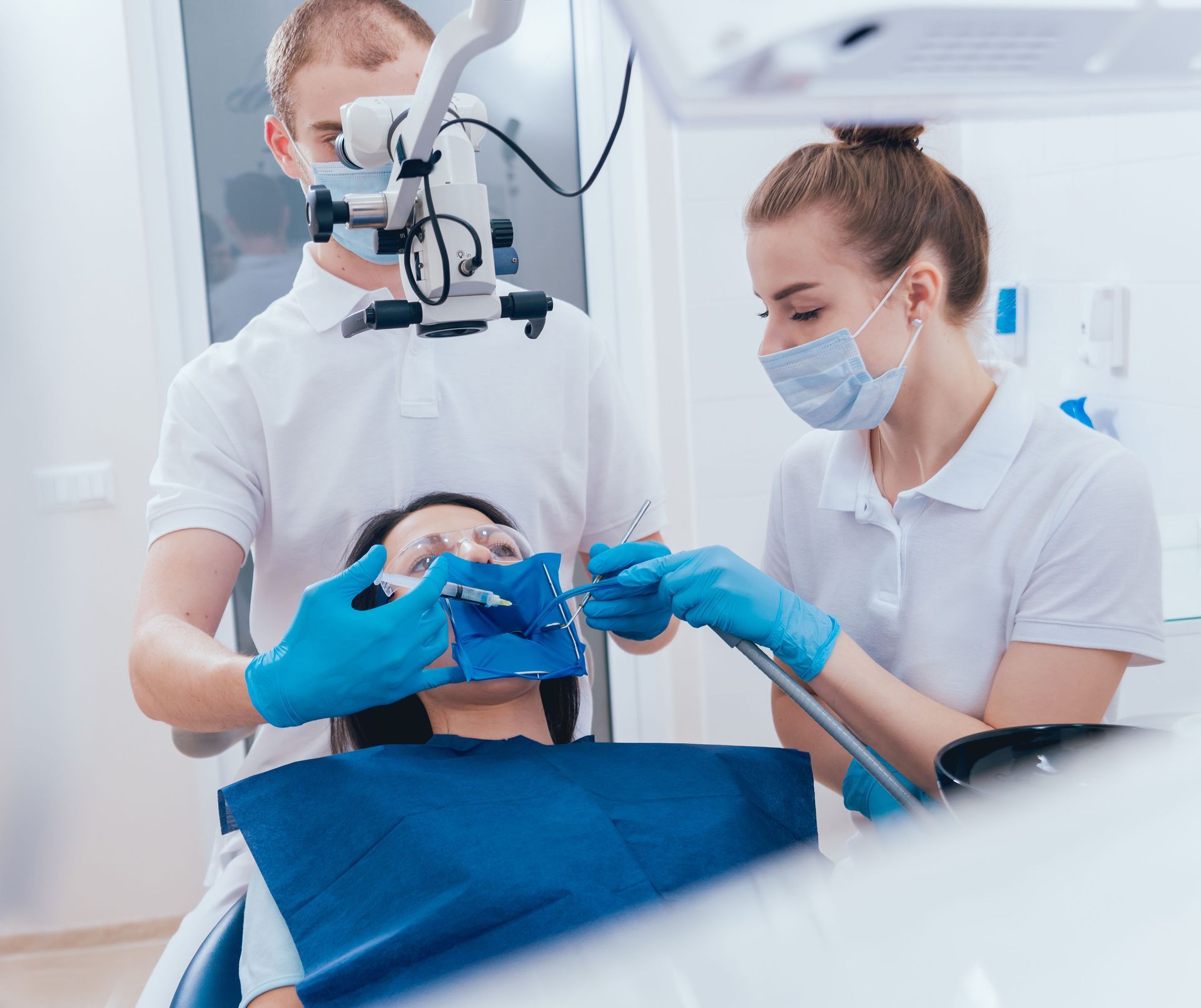
Dental care continues to advance, especially for patients who need surgical support for missing teeth, impacted wisdom teeth, jaw pain, facial injuries, or other oral health concerns. In 2026, many patients are looking for treatment options that combine precision, comfort, and long-term function. Local dentistry can play an important role in helping patients access these services close to home while working with an oral and maxillofacial surgery practice that understands their needs.
From dental implants and tooth extractions to bone grafting and jaw surgery, modern oral surgery can support both health and confidence. Local dentistry also makes it easier for patients to discuss their concerns, review treatment options, and receive care that fits their oral health goals. Let’s take a look at several advanced oral surgery treatments patients may want to consider in 2026.
1. Dental Implants
A. Long-Term Tooth Replacement
Dental implants are designed to replace missing teeth with a durable solution that looks, feels, and functions more like a natural tooth. For patients who have lost teeth due to injury, decay, or disease, implants can restore chewing ability and help maintain facial structure. Local dentistry can make this process more accessible by connecting patients with surgical care that supports long-term oral health.
B. Implant Planning and Placement
Successful dental implant treatment starts with careful planning. The oral surgeon evaluates the patient’s jawbone, gum health, medical history, and overall treatment goals before recommending implant placement. Local dentistry helps patients take this step with confidence because the treatment plan can be explained clearly before surgery begins.
C. Recovery and Long-Term Care
After dental implant placement, patients receive instructions for healing, comfort, and maintenance. Implants require daily brushing, flossing, and routine dental visits, much like natural teeth. With support from local dentistry, patients can better understand how to care for their implants, so they remain stable and functional over time.
2. Tooth Extractions
A. Routine Tooth Removal
Tooth extractions may be needed when a tooth is too damaged, infected, or unstable to remain in place. While removing a tooth may sound intimidating, modern techniques can help make the process more comfortable and efficient. Local dentistry can help patients understand when extraction is the right step and what to expect before, during, and after the procedure.
B. Emergency Tooth Extractions
Dental emergencies can happen when severe pain, infection, trauma, or swelling requires prompt attention. Emergency tooth extractions may be recommended when saving the tooth is no longer a safe or practical option. Local dentistry gives patients a place to turn when urgent oral health concerns need timely care.
C. Care After an Extraction
After a tooth extraction, patients are usually given instructions for managing bleeding, swelling, discomfort, and diet during the first few days of healing. Following these steps can help reduce complications and support a smoother recovery. Local dentistry can also help patients plan next steps, such as discussing dental implants or other tooth replacement options.
3. Wisdom Teeth Removal
A. Impacted Wisdom Teeth
Wisdom teeth can become impacted when there isn’t enough room for them to erupt properly. This may lead to pain, swelling, infection, crowding, or pressure on nearby teeth. Local dentistry can help patients identify symptoms early and determine whether wisdom teeth removal may be needed.
B. Preventive Removal
In some cases, wisdom teeth are removed before they cause serious problems. An oral surgeon may recommend removal based on the tooth’s position, the patient’s age, symptoms, or risk of future complications. Local dentistry supports patients by making these conversations easier and helping them understand the reasons behind treatment recommendations.
C. Recovery After Wisdom Teeth Surgery
Recovery from wisdom teeth removal often includes rest, soft foods, careful cleaning, and following post-surgical instructions. Mild swelling and discomfort are common, but most patients improve as healing progresses. With guidance through local dentistry, patients can feel better prepared for the recovery process.
4. Bone Grafting
A. Rebuilding Jawbone Support
Bone grafting may be recommended when a patient does not have enough jawbone to support a dental implant or other oral surgery treatment. Bone loss can occur after missing teeth, gum disease, trauma, or infection. Local dentistry can help patients learn whether bone grafting may improve their candidacy for future care.
B. Support for Dental Implants
For some patients, bone grafting is an important step before dental implant placement. The graft helps rebuild the foundation needed for the implant to integrate with the jawbone. Local dentistry can make this treatment path easier to understand by explaining why proper bone support matters for implant success.
C. Healing and Treatment Timing
Bone grafting often requires a healing period before the next phase of treatment begins. The timeline may vary based on the patient’s health, the graft location, and the overall surgical plan. Local dentistry can help patients stay informed about each step, so they know what to expect as treatment moves forward.
5. Jaw Surgery and TMJ-Related Care
A. Jaw Function Concerns
Jaw surgery may be considered for patients who have difficulty biting, chewing, swallowing, speaking, or breathing due to jaw alignment concerns. These problems can affect comfort, oral function, and quality of life. Local dentistry can help patients explore whether jaw surgery may be appropriate for their situation.
B. Chronic Jaw Pain and TMJ Disorders
Patients with chronic jaw pain or TMJ-related issues may need evaluation from an oral and maxillofacial surgeon. Symptoms may include jaw soreness, clicking, limited movement, headaches, or uneven wear on the teeth. Local dentistry gives patients a starting point for identifying these concerns and discussing possible treatment options.
C. Corrective Surgical Planning
Jaw surgery requires detailed planning because it can affect bite alignment, facial balance, and oral function. The oral surgeon evaluates the patient’s condition and recommends an approach based on their needs. Local dentistry helps patients feel more prepared by keeping the focus on clear communication and personalized care.
6. Oral Trauma and Maxillofacial Surgery
A. Care for Facial Injuries
Oral trauma can involve injuries to the teeth, jaw, soft tissue, or facial bones. These injuries may happen after an accident, fall, sports injury, or other sudden event. Local dentistry can help patients seek prompt care when trauma affects the mouth or face. According to WebMD, dentists have used lasers since 1994 to treat a number of dental problems. Local teams may use lasers during surgery to help the process go smoother and get more accurate results.
B. Facial Laceration Repair and Reconstruction
Maxillofacial surgery may include treatment for facial lacerations, facial injuries, and reconstruction needs. These procedures can support healing, function, and appearance after trauma or other conditions. Local dentistry connects patients with surgical services that address both oral health and facial structure.
C. Oral Pathology Evaluation
Oral pathology focuses on unusual changes in the mouth, jaw, or surrounding tissues. Patients may need evaluation for sores, lumps, lesions, swelling, or other symptoms that do not improve. Local dentistry can encourage timely assessment so patients receive answers and appropriate treatment recommendations.
Advanced oral surgery services can help patients address missing teeth, impacted wisdom teeth, jaw pain, bone loss, oral trauma, and other serious dental concerns. In 2026, treatments such as dental implants, extractions, wisdom teeth removal, bone grafting, jaw surgery, and maxillofacial procedures continue to give patients more options for protecting their oral health. Local dentistry plays an important role in helping patients access these services with clear guidance, personalized planning, and care that supports comfort from the first consultation through recovery. Contact Jay I. Swanson, D.D.S, M.D., F.A.C.S. today to learn more.